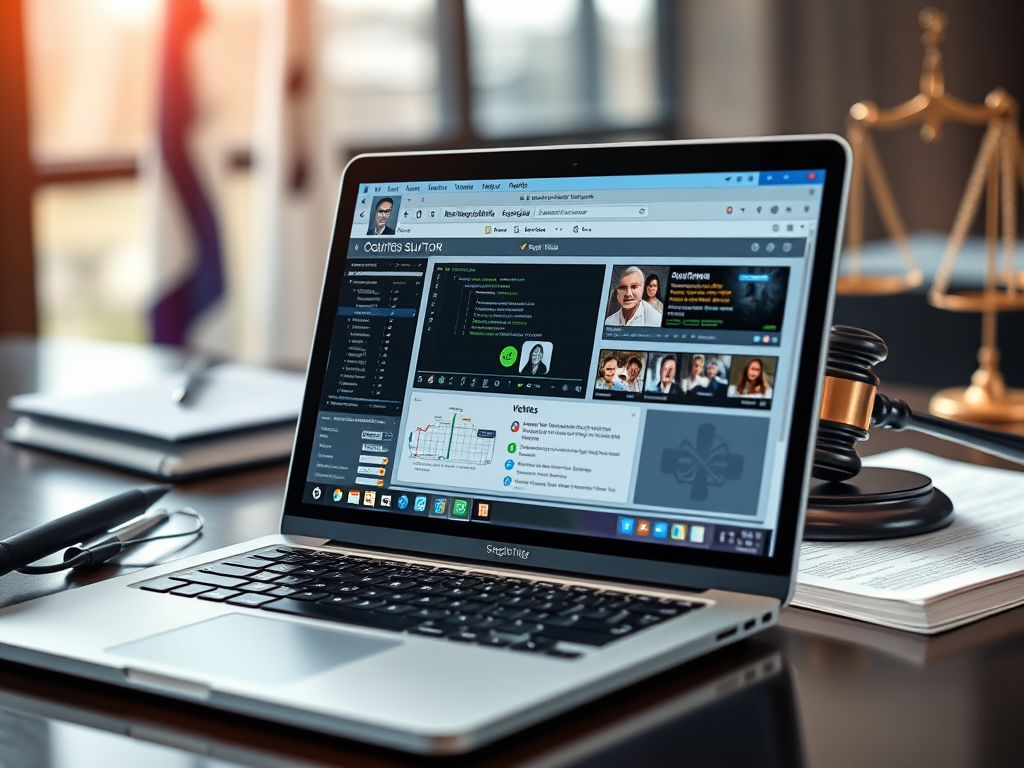
The Future of Remote Court Reporting: Navigating the New Norm in Legal Proceedings
Estimated Reading Time: 5 minutes
- Remote court reporting is transforming legal proceedings.
- Utilizes platforms like Zoom, WebEx, and Google Teams.
- Offers convenience, cost-effectiveness, and improved safety.
Table of Contents
- Understanding Remote Court Reporting
- Core Features and Technology
- Advantages of Remote Court Reporting
- Best Practices for Remote Court Reporting
- Legal and Regulatory Concerns
- Conclusion: The Future of Legal Proceedings
- Call to Action
- FAQ
Understanding Remote Court Reporting
Remote court reporting is the practice of conducting legal proceedings such as depositions using digital platforms. This innovative approach allows court reporters to record, transcribe, and manage court proceedings seamlessly, without requiring all parties to be physically present in the same location. Among the most popular platforms utilized for remote reporting are Zoom, WebEx, GoToMeeting, Google Teams, and Skype. Each platform may offer customization options to ensure security and workflow needs are met.
Court reporters, when working remotely, maintain their essential roles, which include swearing in witnesses, marking exhibits, reading back testimonies, and producing certified transcripts. The integration of advanced technologies, such as AI-assisted voice-to-text transcription and secure audio-video feeds, enhances the quality and efficiency of these proceedings.
Core Features and Technology
Remote court reporting leverages cutting-edge technology to provide several essential functionalities:
- Document Handling: During legal proceedings, participants can live upload, annotate, and mark exhibits, which streamlines the presentation and review of evidence.
- Advanced Capabilities: The use of AI-assisted tools allows for the immediate availability of rough drafts and edited video, thus expediting post-proceeding work.
- Security: Ensuring the integrity and confidentiality of proceedings through encryption and secure connections is critical, especially as legal documents are sensitive by nature.
The importance of these features cannot be understated; they provide the framework for an efficient, secure, and effective remote reporting environment.

Advantages of Remote Court Reporting
1. Convenience
One of the most notable benefits of remote court reporting is the convenience it offers. Participants can join legal proceedings from any location around the globe, effectively eliminating travel concerns and saving considerable time.
2. Cost-Effectiveness
By removing travel requirements and venue fees, companies can significantly reduce the overall cost of depositions. For smaller firms, or those handling numerous cases, this reduction can assist in maintaining budgetary constraints while ensuring continued legal support.
3. Safety
The rise in remote court reporting couldn’t have come at a better time. The COVID-19 pandemic illustrated the vital need for safe practices, and remote proceedings minimize the risks associated with in-person meetings.
4. Efficiency
With immediate access to transcripts and recordings, attorneys and clients can streamline their post-deposition work, substantially increasing operational efficiency.
Best Practices for Remote Court Reporting
To take full advantage of remote court reporting, following best practices is essential for ensuring a smooth experience:
- Choose the Right Platform: Utilize platforms specifically designed for legal proceedings, focusing on secure connections and integrated document management.
- Technology Testing: Conduct pre-session tests to identify potential technological issues and provide clear guidance for all participants—this step is crucial for clarity and ease during proceedings.
- Establish Protocols: Draft strong written protocols that cover technology usage, exhibit management, and confidentiality requirements from the outset of each proceeding.
Legal and Regulatory Concerns
As remote court reporting evolves, understanding existing legal frameworks and regulations is crucial. There are significant variations in admissibility rules for remote testimony from state to state. Some jurisdictions require explicit consent from all parties involved for remote swearing-in and the acceptance of transcripts.
Certifications can vary as well; as long as proper procedures are adhered to, remote-generated certified transcripts generally carry the same weight as those created in-person.
Conclusion: The Future of Legal Proceedings
In summary, remote court reporting harnesses digital tools and efficient protocols to conduct legally valid proceedings without requiring all parties present in a single location. The benefits it offers, such as convenience, cost savings, and maintained safety, are transforming the landscape of legal proceedings. As the technology matures, and regulations adapt, it’s anticipated that remote court reporting will continue to be deeply integrated into modern legal practices.
For HR professionals and recruiters in the legal field, the emergence of remote court reporting also indicates a need to adapt their strategies. Investing in training and resources related to remote technologies will become increasingly important to stay competitive and efficient.
Call to Action
Interested in exploring the benefits of integrating remote solutions into your legal processes or have questions about how your organization can adapt to these changes? Reach out to us today! Our AI consulting services and expertise in automation workflows can help you seamlessly integrate the latest tools into your operations, ensuring that your legal proceedings are efficient, secure, and future-ready.
FAQ
Q: What technology is used for remote court reporting?
A: Platforms like Zoom, WebEx, GoToMeeting, Google Teams, and Skype are commonly used for remote court reporting.
Q: How does remote court reporting improve efficiency?
A: It provides immediate access to transcripts and recordings, allowing attorneys and clients to streamline post-deposition work.
Q: Are remote transcripts legally valid?
A: Yes, as long as proper procedures are followed, remote-generated certified transcripts are generally accepted.