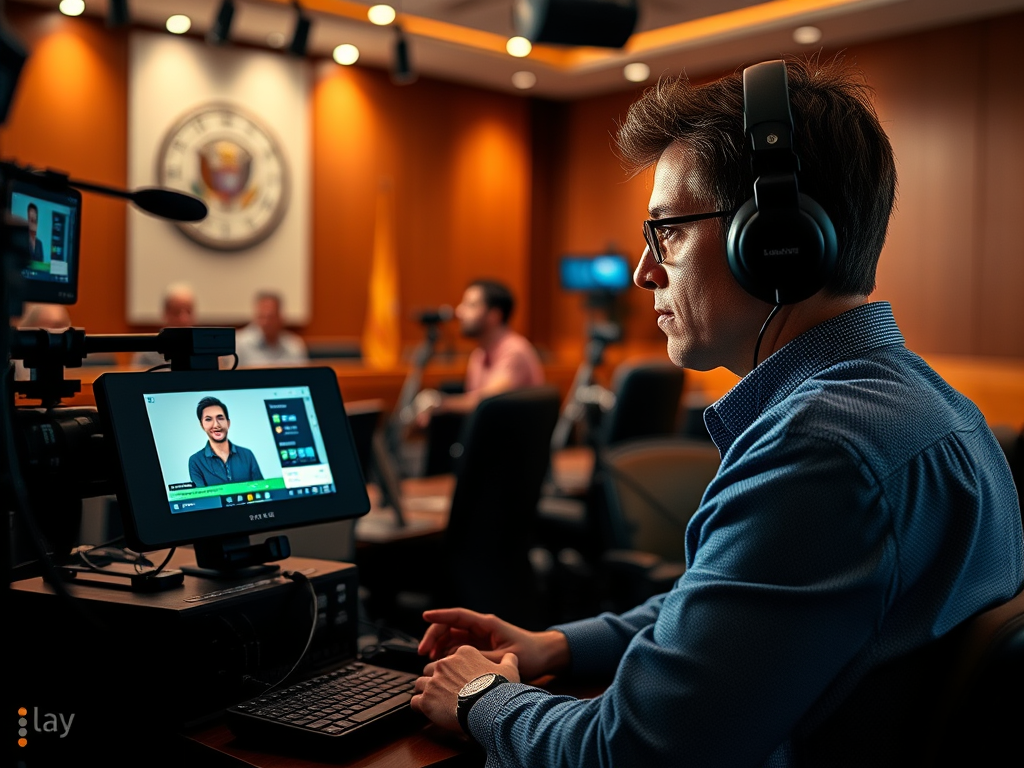
The Rise of Remote Court Reporting: Transforming Legal Proceedings
Estimated reading time: 5 minutes
- Remote court reporting allows seamless participation across distances.
- Enhanced technology streamlines documents and recordings.
- Offers numerous benefits, including cost savings and efficiency.
- Best practices ensure smooth operations and compliance.
Table of Contents
- Understanding Remote Court Reporting
- Navigating Technology and Platforms
- Benefits of Remote Court Reporting
- Best Practices for Remote Court Reporting
- Legal and Procedural Considerations
- Professional Quality and Service Comparison
- Common Use Cases for Remote Court Reporting
- Practical Takeaways for Recruiters and HR Professionals
- Conclusion
Understanding Remote Court Reporting
Remote court reporting refers to the practice of conducting and recording legal proceedings, such as depositions, virtually. In this innovative approach, court reporters participate from remote locations, allowing attorneys and witnesses – regardless of physical distance – to engage seamlessly. Unlike traditional in-person sessions, remote court reporting promotes connectivity via digital platforms over the internet, thereby expanding access and flexibility in the legal process source.
Despite the change in venue, the essential functions of the court reporter remain intact. Duties such as swearing in witnesses, marking exhibits, performing read-backs, and producing certified transcripts are still maintained, ensuring that all legal proceedings adhere to established standards source.
Furthermore, remote court reporting can be utilized for various legal settings, including hearings, trials, and other essential occasions that necessitate a verbatim record source.
Navigating Technology and Platforms
In the realm of remote court reporting, technology serves as the backbone of operations. Numerous platforms such as Zoom, WebEx, GoToMeeting, Google Teams, and Skype facilitate virtual interactions, allowing multiple participants to join remotely source. Additionally, specialized remote deposition technology further enhances the functionality of these platforms by supporting video and audio recording, real-time transcription (including AI-assisted voice-to-text), secure document sharing, and annotation.
With modern solutions, legal professionals enjoy immediate access to transcripts and meeting recordings. Many reporting services now offer quick delivery of unedited video and certified transcript copies, further streamlining the legal process source.
Benefits of Remote Court Reporting
The advantages of opting for remote court reporting are numerous and compelling:
- Convenience: Remote court reporting allows all participants to join sessions from any location. This flexibility is crucial for legal matters that need to proceed regardless of travel constraints source.
- Safety: Particularly during public health crises, remote sessions offer a safe alternative to in-person meetings, reducing potential exposure and associated risks source.
- Cost-effectiveness: Remote court reporting eliminates travel-related expenses and logistical challenges, providing a more economical approach to legal proceedings source.
- Efficiency: Participants gain immediate access to transcripts and recordings, allowing for rapid documentation and streamlining the production of legal materials source.
Best Practices for Remote Court Reporting
To fully leverage the benefits of remote court reporting, legal professionals should adhere to best practices, ensuring that their proceedings run smoothly:
- Choose the Right Platform: Utilize platforms that integrate secure audio, video, and robust document handling tools, thereby providing a comprehensive solution for remote reporting source.
- Preparedness: Prior to sessions, upload and organize exhibits, marking documents as the proceedings unfold. This advance preparation enhances clarity and efficiency during the session source.
- Ensure a Strong Internet Connection: A reliable internet connection coupled with clear protocols minimizes disruptions and ensures accuracy throughout the proceedings source.
- Establish Protocols: Defining a clear remote deposition protocol can be invaluable; address communication restrictions, technology usage, and the scope of remote participation to enhance clarity for all involved source.
Legal and Procedural Considerations
Practitioners must navigate essential legal frameworks and procedural guidelines surrounding remote court reporting. The admissibility of remote reporting and the remote swearing-in of witnesses vary by jurisdiction, often requiring stipulations from all involved parties or court approval source.
Currently, many jurisdictions have adopted rules explicitly recognizing the legitimacy of remote swearing-in and the admissibility of remote transcripts; however, existing requirements can differ. Legal professionals should always consult local regulations before scheduling remote proceedings source.
Furthermore, a strong remote deposition protocol should define the purpose and scope of the process, the specific technologies used, and controls regarding confidentiality and communication source.
Professional Quality and Service Comparison
It’s crucial for legal professionals to understand that remote and in-person court reporters are expected to deliver equivalent levels of accuracy and professionalism. Many digital court reporters are cross-trained to handle both formats, providing consistent service quality regardless of the format source.
This flexibility allows legal professionals to tailor reporting solutions to meet the specific needs of each case – balancing cost, convenience, and technical requirements effectively.
Common Use Cases for Remote Court Reporting
Remote court reporting is particularly beneficial for legal cases involving geographically dispersed parties or when travel proves impractical. In a digital-first legal environment, remote court reporting has become a standard approach for its efficiency and seamless connectivity capabilities source.
Practical Takeaways for Recruiters and HR Professionals
As industry trends shift towards remote solutions, many sectors, particularly recruitment, can take cues from legal services. Here are some actionable suggestions for HR professionals and recruiters:
- Adapt to Remote Interviews: Incorporate platforms like Zoom or Google Teams for virtual interviews, expanding your talent pool and accommodating candidates unable to travel.
- Leverage Remote Onboarding: Design a comprehensive remote onboarding process, ensuring new hires have access to necessary resources and support, even from a distance.
- Maintain Engagement: Engage remote teams proactively by employing virtual team-building activities and regular check-ins, thus promoting a productive and inclusive company culture.
- Ensure Compliance and Security: Just as legal professionals must uphold confidentiality and procedural protocols, so too must you ensure compliance with data handling and personal information when conducting remote recruitment processes.
Conclusion
In conclusion, the emergence of remote court reporting is revolutionizing the legal landscape, offering remarkable flexibility, efficiency, and cost savings through advanced digital platforms. As legal professionals embrace this innovation, they also face challenges in navigating legal, procedural, and technical aspects. Understanding and adopting best practices while adhering to legal frameworks is crucial to harnessing the benefits of this trend.
As a company specialized in AI consulting and workflow automation, we understand the transformative power of technology, not only in legal services but across numerous industries, including recruitment. If you’re interested in learning how our services can help optimize your workflows and elevate your business processes, don’t hesitate to contact us for more information.
Together, let’s streamline your operations and embrace the future of work.
.wp-block-heading {
border-bottom: 2px solid #00c2ff !important;
padding-bottom: 10px !important;
}