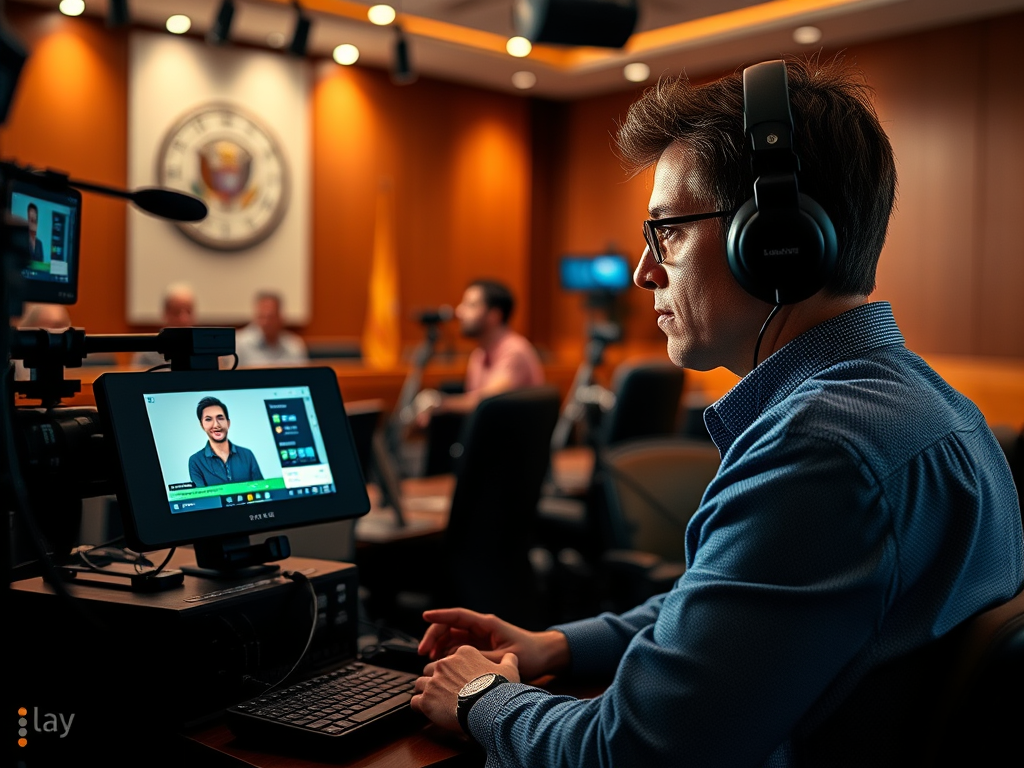
What Are the Most Common Challenges Facing US Remote Court Reporters and Why Would They Want to Work for an Agency to Solve These Problems?
Estimated reading time: 5 minutes
- Technical difficulties with audio/video equipment can hinder accuracy.
- The workforce shortage results in increased workloads and stress.
- Rapidly changing technology requires continuous adaptation and learning.
- Working for an agency provides reliable support and a professional community.
- Agencies help alleviate administrative burdens for court reporters.
Table of Contents
- Key Challenges for US Remote Court Reporters
- Why Court Reporters Prefer Working for Agencies
- Additional Context
- Conclusion
- FAQ
Key Challenges for US Remote Court Reporters
Technical Difficulties with Audio/Video Equipment
Remote court reporters rely heavily on high-quality audio and video feeds to produce accurate transcripts. Unfortunately, technical difficulties are a frequent hindrance in this regard. Common issues include poor audio quality, microphone failures, internet connectivity problems, and software glitches. These challenges can severely hinder the ability to create accurate and timely transcripts, especially during virtual or hybrid hearings (Bartelt Reporting, Hudson Reporting). As such, the ability to quickly troubleshoot these issues is critical for maintaining the integrity of legal proceedings.
Workforce Shortage and High Demand
The stenographer workforce has shrunk significantly, with a reported 21% decline over the last decade and a staggering 74% drop in enrollment at stenography schools (Blue Ledge, AAERT). This workforce shortage has created an environment where existing reporters are burdened with increased workloads, which can lead to burnout and higher rates of errors. The situation is so severe that industry leaders have likened it to a “constitutional crisis,” as the need for accurate legal records is fundamental to fair trials and appeals (Blue Ledge).
Managing Fast-Paced and Complex Proceedings
Legal settings are often characterized by rapid exchanges among multiple speakers, requiring reporters to maintain sharp focus amidst interruptions and complex legal jargon. Capturing real-time dialogue in such an environment is stressful and requires a deep familiarity with legal terminology in various practice areas (Bartelt Reporting).
Adapting to Rapid Technological Change
The court reporting profession is undergoing swift changes with the integration of AI-assisted transcription tools, advanced stenography equipment, and new digital deposition platforms. Reporters must remain current with evolving technologies to stay competitive, a task that can be overwhelming without the support of an agency (IDEPO Reporters). Although AI can assist in the transcription process, it cannot replace the human reporter’s contextual understanding. This hybrid workflow requires reporters to develop new layers of expertise to complement the technology (IDEPO Reporters).
Isolation and Lack of Support
Independent remote court reporters often experience professional isolation, particularly during instances of technical failure or complex cases. When unexpected issues arise, the absence of immediate support can elevate stress levels and increase the likelihood of errors (Bartelt Reporting, Hudson Reporting).
Why Court Reporters Prefer Working for Agencies
Given these challenges, many remote court reporters are choosing to work with agencies, which provide a range of benefits designed to address these common issues.
Reliable Technical Support
Agencies offer dedicated IT and equipment support, capable of quickly troubleshooting audio or video problems. This ensures smooth proceedings and minimizes downtime during hearings (Bartelt Reporting, Hudson Reporting). By working with an agency, reporters can focus on their primary role—accurate transcription—without the added burden of resolving technical issues.
Training and Professional Development
Agencies also provide ongoing training and professional development opportunities. Such programs help court reporters keep pace with the latest technology and best practices, which is especially crucial given the rapid integration of AI tools and digital platforms into the profession (IDEPO Reporters). Agency support helps reporters remain competitive and compliant with evolving industry standards.
Steady Workflow and Job Security
One of the most significant advantages of working for an agency is the reliable workflow it provides. Agencies manage scheduling, client acquisition, and workflow distribution, which alleviates the administrative burdens that freelance reporters often face (Bartelt Reporting). This translates to a more predictable income, reducing the anxiety associated with inconsistent work availability.
Administrative and Legal Backup
In addition to technical support, agencies handle critical administrative tasks such as payment processing, billing, transcript submission, and regulatory compliance. This assistance is invaluable, particularly in high-stakes situations where errors or disputes may arise (Bartelt Reporting, Hudson Reporting).
Networking, Mentorship, and Community
Another key benefit of agency employment is the sense of professional community. Working within an agency provides access to mentorship, peer advice, and knowledge-sharing, thereby combatting the isolation frequently felt by independent reporters (Bartelt Reporting, Hudson Reporting).
Additional Context
The transition toward remote proceedings, which was significantly accelerated by the COVID-19 pandemic, has now become a lasting element of the industry. This shift has made the challenges faced by court reporters enduring rather than temporary (IDEPO Reporters, Hudson Reporting). Adapting to a digital and hybrid model is essential for addressing the workforce shortage and ensuring that access to justice is maintained for all citizens (Blue Ledge, AAERT).
While some court reporters may cherish the independence and flexibility that comes from freelancing, they often have to navigate the trade-offs of less institutional support and job instability. The benefits agencies offer can greatly impact a reporter’s ability to thrive in this complex, technology-driven environment.
Conclusion
In summary, U.S. remote court reporters operate within a high-tech, high-stakes environment fraught with challenges ranging from technical difficulties to workforce shortages and the pressures of rapid change. Many reporters are turning to agency work as a means of overcoming these obstacles—seeking not only technical and administrative support but also a sense of community in an often-isolating field.
If you are a court reporter facing these challenges or considering agency employment to enhance your career, feel free to explore the services offered by our company. Our expertise in AI consulting and workflow automation positions us to support professionals like you in navigating these complexities effectively.
For more information, or to schedule a consultation, please contact us today! Let’s work together to ensure that you have the support and resources needed to excel in this evolving landscape.
FAQ
What are the biggest challenges for remote court reporters?
Remote court reporters face several challenges, including technical difficulties with equipment, a shortage in the workforce, adapting to rapid technological changes, and experiencing isolation without immediate support.
Why do court reporters choose to work for agencies?
Court reporters prefer agency employment due to the reliable technical support, training and professional development opportunities, steady workflow and job security, administrative assistance, and the sense of community agencies provide.