Remote Court Reporting: Transforming Legal Proceedings with Technology
Estimated reading time: 6 minutes
- Convenience: Participation from anywhere in the world.
- Safety: Continued access to justice during crises.
- Cost-Effectiveness: Reduced travel and overall legal fees.
- Flexibility: Adaptable to various case needs.
Table of Contents
- Understanding Remote Court Reporting
- Platforms and Technology Used
- Process and Functionality
- Legal and Procedural Considerations
- Advantages of Remote Court Reporting
- Best Practices for Successful Remote Court Reporting
- Conclusion: The Future of Remote Court Reporting
- Call to Action
- FAQ
Understanding Remote Court Reporting
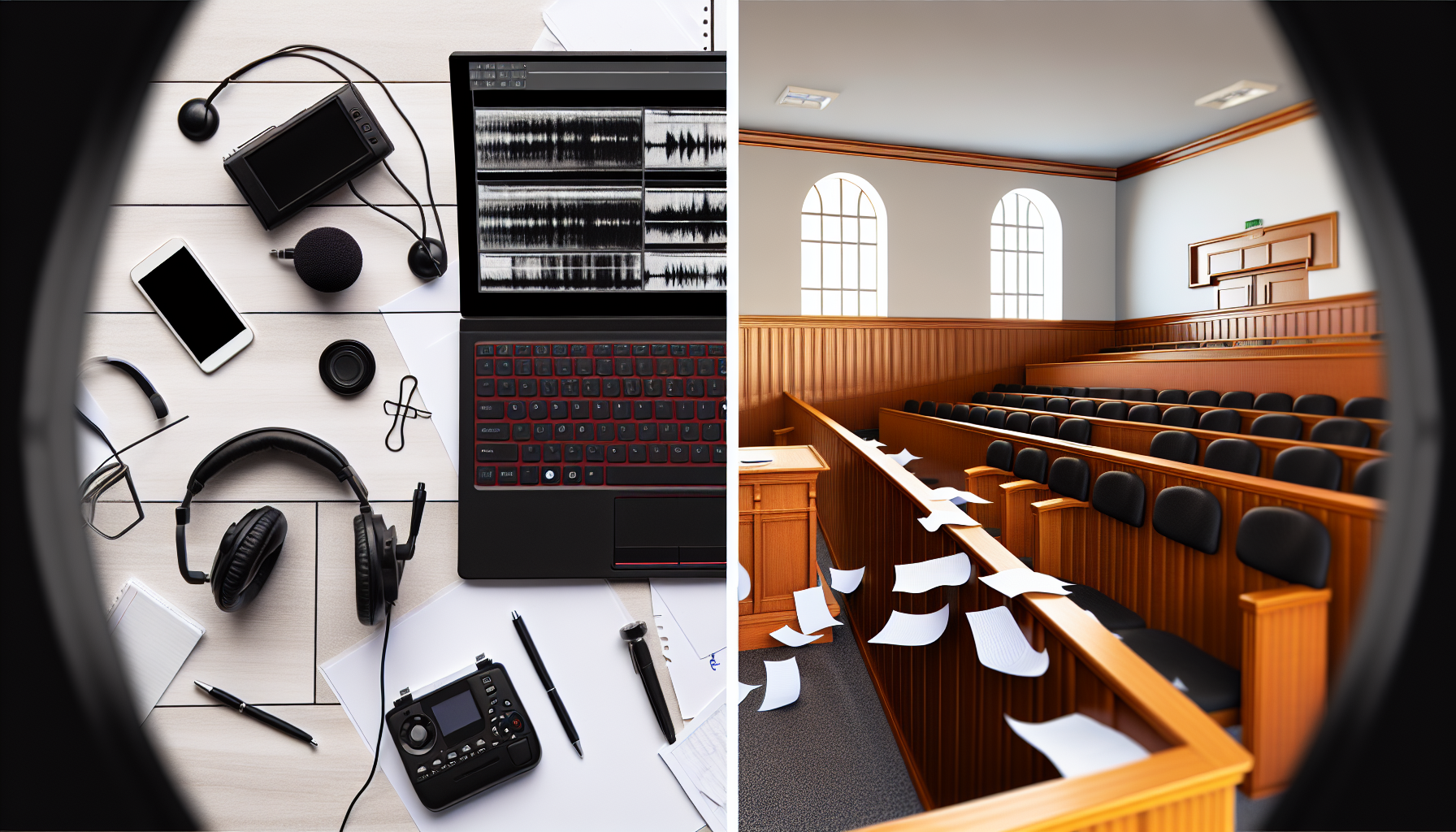
Remote court reporting offers a significant shift in how legal professionals manage and engage in proceedings. The primary focus of this technology is to maintain the integrity and accuracy of the legal process while enhancing accessibility.
Platforms and Technology Used
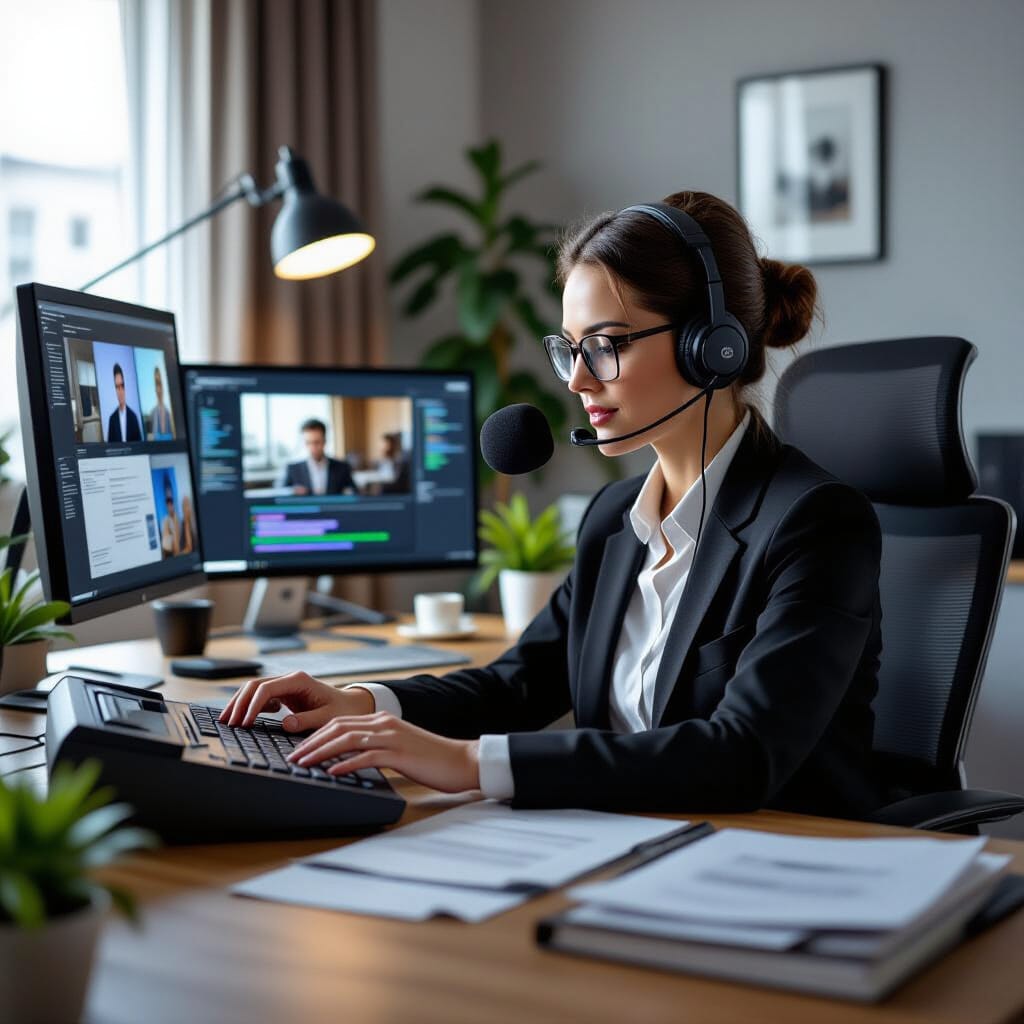
At the heart of remote court reporting are secure and robust platforms that facilitate seamless communication and documentation. Commonly used tools include Zoom, WebEx, GoToMeeting, and Microsoft Teams, along with dedicated legal tech solutions. These platforms support essential features like:
- Audio and Video Recording: Enables a clear capture of all proceedings.
- Live Transcription: Provides real-time text that ensures immediacy in testimonies.
- Document Sharing and Annotation: Facilitates the smooth handling of evidence and exhibits.
- Private Breakout Rooms: Allow for confidential discussions when needed.
The combination of these tools creates a comprehensive virtual environment where all parties can engage as effectively as they do in traditional court settings (source: CogentLS), (source: US Legal Support).
Process and Functionality
The remote court reporter plays a pivotal role during proceedings. Their responsibilities remain the same despite the virtual setting:
- Administering oaths
- Recording testimony
- Marking exhibits
- Handling read-backs and producing certified transcripts
Moreover, advanced technologies enable AI-assisted voice-to-text transcription, leading to instant rough drafts and rapid delivery of unedited videos and certified transcripts shortly after sessions conclude (source: Remote Legal), (source: CogentLS). The ability to upload and mark exhibits, coupled with transcript overlay on video, enhances the usability of these sessions for courtroom purposes.
Legal and Procedural Considerations
While the adoption of remote court reporting offers numerous advantages, there are significant legal and procedural considerations to keep in mind. The admissibility of remote court reporting can differ by jurisdiction. Some states may require that all parties agree to the process or may have specific procedural rules that need to be followed (source: Stenonymous). Proper protocols should outline:
- The scope of the proceedings
- Technology to be used
- Communication rules
- Service providers
These measures prevent unauthorized communication and minimize technical disputes that could disrupt legal processes (source: Esquire Solutions).
Advantages of Remote Court Reporting
1. Convenience
Remote court reporting facilitates participation from anywhere in the world, eliminating geographical barriers. This is particularly beneficial for clients, witnesses, and legal counsel who may have logistical constraints.
2. Safety
This method allows courts to continue functioning efficiently during health crises or periods with travel restrictions, preserving access to justice for all parties involved (source: CogentLS).
3. Cost-Effectiveness
By removing the need for physical travel, remote court reporting proves to be a more economical option for law firms and clients alike. The reduction in travel costs, along with the shared expenses of technology, can significantly lower overall legal fees (source: CogentLS).
4. Flexibility
Remote reporting is adaptable to various case needs and supports hybrid participation, accommodating different preferences among case stakeholders (source: CogentLS).
Best Practices for Successful Remote Court Reporting
To optimize the effectiveness of remote court reporting, professionals should follow these best practices:
Use Dedicated Platforms
Generic video conferencing tools might not meet the precision and security needed in legal situations. Utilizing platforms designed specifically for legal proceedings ensures high audio/video quality and heightened transcript accuracy (source: Remote Legal).
Ensure Immediate Access to Drafts
A streamlined process that provides immediate access to draft transcripts and recorded video can greatly increase the efficiency of post-proceeding workflows. Swift turnaround times for transcripts and recordings help legal teams build their cases more effectively.
Quality Training for Court Reporters
Remote court reporters should be well-trained and acclimated with the technological tools and workflows involved in virtual proceedings. Ensuring they deliver service quality on par with in-person contexts is critical for maintaining the integrity of the legal process (source: CogentLS), (source: Stenonymous).
Conclusion: The Future of Remote Court Reporting
As we navigate the evolving landscape of legal practices, remote court reporting stands out as a significant innovation, promising flexibility, cost savings, and heightened accessibility while adhering to the highest standards of accuracy and security. This practice not only enhances legal workflows but also addresses contemporary challenges faced by legal professionals and clients.
Incorporating remote court reporting into your operations can streamline your process and potentially attract a broader clientele. As AI consulting and workflow automation specialists, we are equipped to help businesses understand and leverage these innovations effectively.
Call to Action
Interested in how remote court reporting can benefit your legal practice? Explore our services or contact us for more information on how we can assist in optimizing your legal workflow with AI-driven solutions.
FAQ
What is remote court reporting?
Remote court reporting is the practice of conducting legal proceedings like depositions and hearings via virtual platforms, enabling participation from various locations.
Are remote court reporting transcripts admissible in court?
Yes, but it varies by jurisdiction. Ensure compliance with local rules and regulations.
What technologies are used in remote court reporting?
Typically includes platforms like Zoom, Microsoft Teams, and features such as live transcription, document sharing, and video recording.
How do I ensure confidentiality during remote court proceedings?
Utilize secure platforms with private breakout rooms and establish clear communication protocols.
What benefits does remote court reporting offer?
Convenience, safety, cost-effectiveness, and flexibility are among the main advantages.