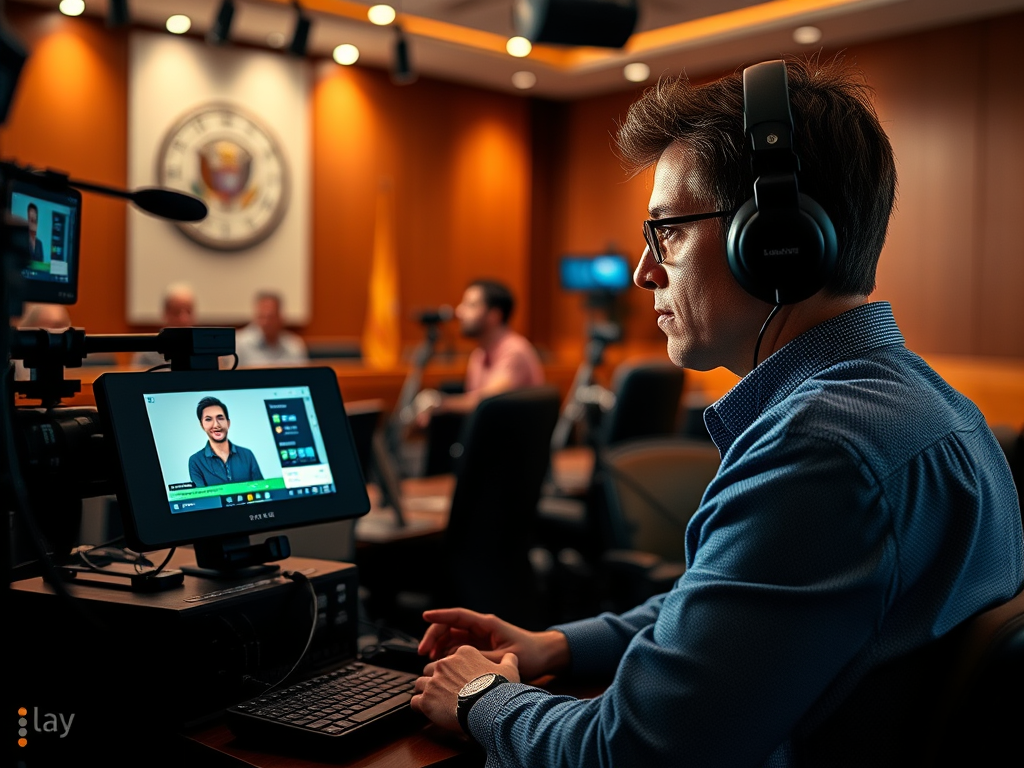
The Biggest Complaints Remote Court Reporters Have About Working with Companies
Estimated Reading Time: 5 minutes
- Technical difficulties hinder productivity
- Pay discrepancies and delayed payments
- Rigid scheduling creates stress
- Lack of communication affects support
- Quality of proceedings can be compromised
Table of Contents
- Understanding the Plight of Remote Court Reporters
- 1. Technical Difficulties and Platform Issues
- 2. Low Pay and Late Payments
- 3. Rigid Scheduling and Overbooking
- 4. Lack of Communication and Support
- 5. Quality of Proceedings
- Conclusion & Call-to-Action
Understanding the Plight of Remote Court Reporters
Remote court reporting offers flexibility and the convenience of working from home, but it is not without its challenges. Court reporters have voiced several complaints that reveal deep-seated issues within the current operational framework imposed by companies. As consultants in AI and workflow automation, we see certain parallels in recruitment and communication strategies these companies can learn from.
1. Technical Difficulties and Platform Issues
One of the most significant complaints among remote court reporters is the technical challenges they face while using various platforms. The reliability of software and hardware determines the clarity of their work, yet many report experiencing unreliable platforms and inadequate technical support. Court reporters frequently encounter issues with audio and video quality, which can hinder their ability to produce accurate transcripts.
While some companies like Steno are praised for providing easy-to-use platforms and strong support, this level of service is not universally available. Issues such as constant disconnections and poor software interface can lead to not only frustration but also a compromise in the quality of their work, leaving reporters feeling unsupported and overwhelmed.
Actionable Advice: Companies can address these technical issues by investing in robust, user-friendly technology and ensuring comprehensive training and support for their court reporters. Regularly soliciting feedback on technical performance can also help identify areas needing improvement.
2. Low Pay and Late Payments
Fair compensation remains a pervasive issue in the remote court reporting industry. Many reporters express dissatisfaction as they find remote work has not resulted in wage increases; in some cases, they receive lower pay rates for remote assignments compared to in-person ones. The inconsistency in payment timelines contributes to the frustration, with many reporters experiencing delays in payments and complicated invoicing processes.
This negative sentiment highlights the need for companies to re-evaluate their payment structures. Transparency and timely payments are fundamental in maintaining trust and satisfaction among court reporters.
Key Takeaway: Companies should streamline their payment processes and offer competitive pay rates to not only attract but also retain talented court reporters. Implementing clear payment timelines can help alleviate frustration and enhance reporter morale.
3. Rigid Scheduling and Overbooking
Another common complaint among remote court reporters is the pressure of rigid scheduling and overbooking. Many feel compelled to accept back-to-back jobs with limited notice, resulting in a lack of flexibility that can lead to mental and physical fatigue. Without adequate breaks, reporters might struggle to maintain attention and accuracy during proceedings, putting the quality of their work at risk.
Balancing workload demands is critical. Court reporters need reasonable scheduling practices that respect their time and efforts to ensure they can perform at their best.
Practical Tip: Companies should adopt more flexible scheduling practices, offering reporters the ability to set their availability and ensuring they have ample time between jobs. This can ultimately lead to improved accuracy and job satisfaction.
4. Lack of Communication and Support
Effective communication is the backbone of productive collaboration. Unfortunately, many remote court reporters report significant challenges in reaching support staff who can assist with technical issues, provide clarification on assignments, or offer help during proceedings. Companies like Esquire are often praised for their strong support, yet such positive experiences appear to be outliers rather than the norm.
This discrepancy reflects a dire need for enhanced communication channels within the companies utilizing remote court reporters. When reporters feel disconnected and unsupported, it can lead to decreased productivity and quality of output.
Advice for Firms: Implementing regular check-ins with court reporters and establishing dedicated communication channels can improve the relationship and prompt quicker resolutions to issues. Making sure reporters feel heard and valued can lead to increased job satisfaction and loyalty.
5. Quality of Proceedings
The quality of remote depositions can significantly differ compared to in-person settings due to various disruptions, such as participants joining late or poor internet connections. Background noise and technical glitches can further complicate an already challenging environment, making it difficult for court reporters to deliver precise and timely transcripts.
Assessing the quality of services provided is essential for any organization aiming to uphold their reputation and meet legal obligations.
Conclusion & Call-to-Action
The remote court reporting industry is undoubtedly evolving, and many professionals navigate a challenging environment dominated by technical difficulties, low pay, rigid schedules, lack of support, and concerns over the quality of their work. However, companies can leverage this feedback to implement changes that facilitate a better working environment for court reporters, fostering satisfaction and retention in the long run.
Our expertise in AI consulting and workflow automation can provide tools for companies to streamline communication, optimize scheduling, and enhance the technological experience of remote court reporters. Emphasizing human-centric strategies within your organization can lead to improved outcomes for both companies and court reporters.
If your organization is looking to enhance its operational workflows or support remote professionals more effectively, we encourage you to contact us today. Together, we can innovate the way you manage communication and collaboration in your remote workspaces.
Frequently Asked Questions
- What are the main complaints of remote court reporters?
- How can companies improve the experience for remote court reporters?
- What technical challenges do remote court reporters face?
- Why is communication important for remote court reporters?
- How important is fair compensation in remote court reporting?